Diet Food Isn't Healthy If You're Constantly Hungry (The Biggest Nutrition Myth Nobody Talks About)
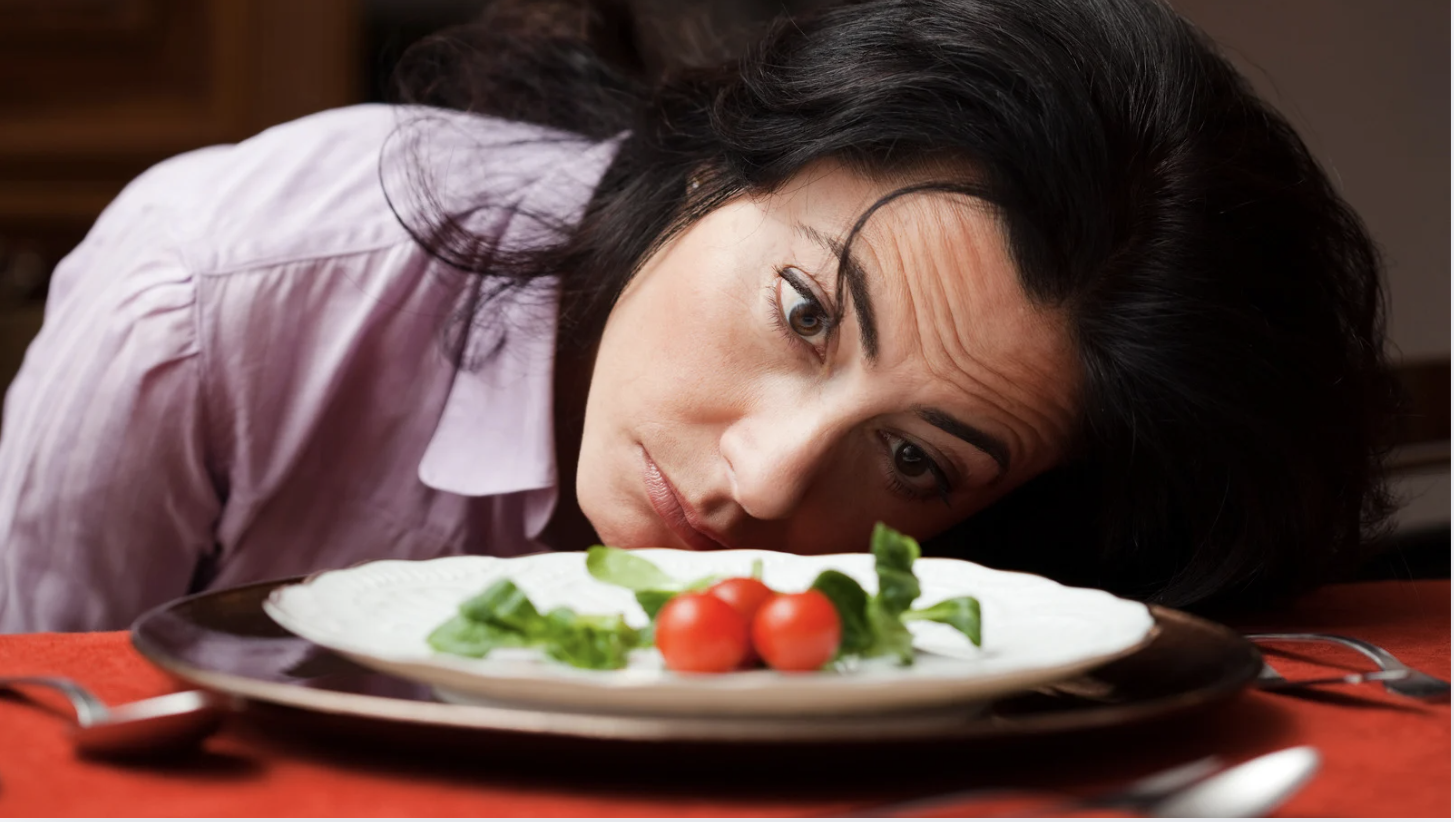
Diet Food Isn't Healthy If You're Constantly Hungry (The Biggest Nutrition Myth Nobody Talks About)
For decades, we've been taught that healthy eating means choosing "diet foods."
Low-fat yogurt. Rice cakes. 100-calorie snack packs. Salad without dressing. Fat-free everything.
These foods are marketed as healthy because they're low in calories.
But here's the question nobody asks:
If your diet leaves you constantly hungry, is it actually healthy?
I would argue that it's not.
Because health is about more than the nutrient label on a package. It's also about how food affects your energy, metabolism, hormones, mood, relationship with eating, and ability to nourish yourself consistently.
And constant hunger can quietly sabotage all of those things.
Hunger Is Not a Sign Your Diet Is Working
Many women have been conditioned to believe that feeling hungry is part of being successful at weight loss.
They think:
"If I'm hungry, I'm eating less."
"If I'm hungry, I'm burning fat."
"If I'm hungry, I'm being disciplined."
The reality is that hunger is a biological signal, not a character flaw.
Your body is designed to protect you from starvation.
When you consistently eat too little, your body responds by increasing hunger signals, increasing food cravings, and making food harder to resist.
This isn't a lack of willpower.
It's biology doing exactly what it's supposed to do.
The Hidden Cost of Diet Foods
Many traditional diet foods are designed to be low in calories rather than satisfying.
A 100-calorie snack may fit neatly into a diet plan, but if you're hungry again 30 minutes later, what have you really gained?
When meals are built around restriction instead of nourishment, several things tend to happen:
You Think About Food All Day
When your body isn't getting enough energy, your brain becomes preoccupied with food.
You start counting hours until your next meal.
You find yourself scrolling food videos.
You struggle to concentrate.
Food occupies far more mental space than it should.
Cravings Become Stronger
The more underfed your body feels, the louder cravings become.
Many women blame themselves for craving sweets, chips, or comfort foods at night.
But often the real problem started much earlier in the day when breakfast was too small, lunch was a salad, and hunger quietly accumulated.
Overeating Becomes More Likely
When you're constantly hungry, overeating isn't a failure.
It's often a predictable response.
The body eventually wins.
And when it does, people often label the behavior as emotional eating, binge eating, or lack of control.
Sometimes emotions are involved.
But many times the problem is simply that the body has been underfed for too long.
Healthy Food Should Help You Feel Satisfied
One of the most overlooked signs of a healthy meal is satisfaction.
A truly healthy meal should:
Reduce hunger for several hours
Provide stable energy
Help you focus
Support muscle maintenance
Leave you feeling physically and mentally satisfied
Notice that nowhere on this list does it say "be as low-calorie as possible."
A meal that keeps you satisfied for four hours is often healthier than a meal that's lower in calories but leaves you scavenging through the pantry an hour later.
The Difference Between Diet Food and Nourishing Food
Diet Food:
Focuses on eating less
Prioritizes calories above all else
Often leaves you hungry
Requires constant willpower
Feels difficult to maintain
Nourishing Food:
Focuses on meeting your body's needs
Includes adequate protein, fiber, and healthy fats
Promotes fullness and satisfaction
Supports stable energy
Feels sustainable
The goal isn't to eat as little as possible.
The goal is to eat enough of the right foods so your body can function well while supporting your health goals.
Why Protein, Fiber, and Fat Matter
The most satisfying meals generally contain a combination of:
Protein
Protein is the most filling macronutrient and helps preserve muscle mass during weight loss.
Fiber
Fiber slows digestion and helps maintain fullness between meals.
Healthy Fats
Fat adds flavor, satisfaction, and staying power to meals.
When people remove fats and cut portions too aggressively, meals often become less satisfying, leading to more hunger later.
Ironically, the foods many people avoid in the name of weight loss are often the very foods that could help them feel more in control around food.
The Healthiest Diet Is One You Don't Have to Fight
If your eating plan requires constant white-knuckling through hunger, it may not be a healthy plan.
A healthy diet shouldn't feel like a daily battle.
You shouldn't spend every afternoon thinking about snacks.
You shouldn't feel out of control around food because you've been trying to ignore hunger signals all day.
The healthiest way to eat is one that works with your biology, not against it.
The Bottom Line
Being hungry occasionally is normal.
Being hungry all the time is not.
If the foods you're eating leave you constantly thinking about food, fighting cravings, and relying on willpower to get through the day, it may be time to stop asking, "How can I eat less?"
Instead, ask:
"How can I nourish myself better?"
Because diet food isn't healthy if it's keeping you hungry.
And a healthy relationship with food starts when your body finally feels fed.