15 Signs of a Poor Relationship with Food That Society Told You Was Normal (But It’s Not)
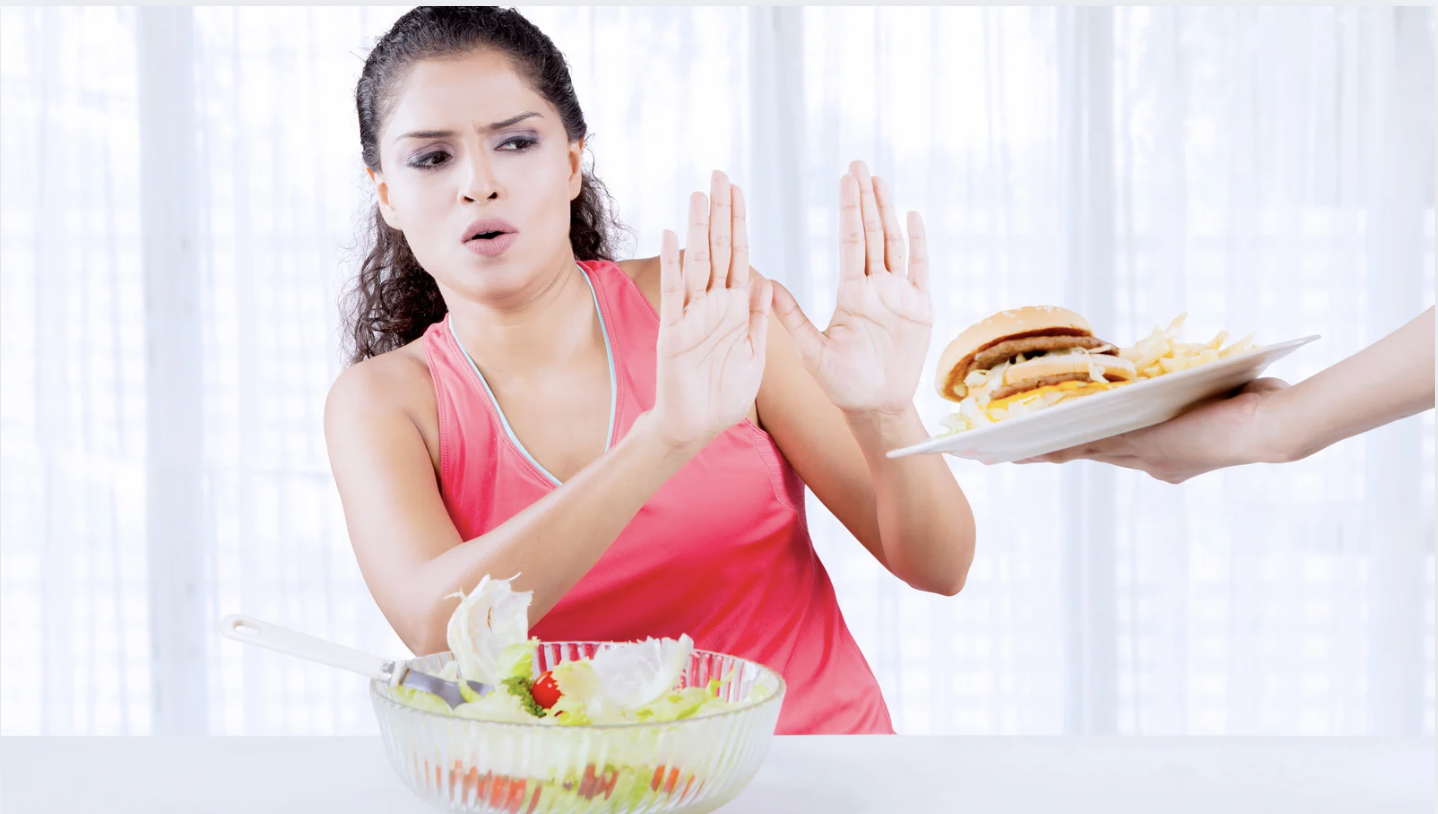
15 Signs of a Poor Relationship with Food That Society Told You Was Normal (But It’s Not)
If you’ve ever felt guilty after eating, skipped meals to “earn” your dinner, or obsessed over every calorie — you’re not alone.
These behaviors are so normalized by diet culture that most women think they’re just part of “being healthy.”
But here’s the truth:
Just because it’s common doesn’t mean it’s normal.
And it definitely doesn’t mean it’s healthy.
Below are 15 subtle but powerful signs of a poor relationship with food that society taught us to accept — but that may actually be keeping you stuck in pain, shame, and constant struggle.
1. You feel guilty after eating something “bad.”
Food shouldn't make you feel like a failure. Guilt is not a food group. If you’re constantly judging yourself based on what you ate, that’s a red flag.
2. You’re always trying to “burn off” what you ate.
Exercise should be about feeling good, not punishment. Moving your body to erase calories turns joyful movement into a chore.
3. You reward yourself with food — and punish yourself by restricting.
This creates a toxic cycle of earning and deserving. You're not a dog. You don’t need to perform to be fed.
4. You label food as “good” or “bad.”
Food is not morally charged. Labeling it this way creates shame around eating and disconnects you from your body’s real needs.
5. You wait until you're starving to eat, then overeat.
Ignoring hunger until it turns into survival mode eating often leads to overeating or bingeing. That’s not lack of willpower — it’s biology.
6. You “save calories” for a big meal or event.
Skipping meals or under-eating to “make room” for later can mess with your metabolism and leads to overeating when you finally do eat.
7. You obsess over calories, macros, or ingredients — even when you're not hungry.
Constant food obsession often masquerades as “discipline,” but it usually comes from fear and control, not peace or health.
8. You eat “clean” all week and binge on all junk on the weekend.
This all-or-nothing pattern isn't balance — it's deprivation followed by rebellion. Your body and mind crave consistency, not restriction.
9. You avoid social events because of food anxiety.
If you can’t enjoy dinner with friends without stressing over what’s on the menu, food is controlling you — not the other way around.
10. You “start over” every Monday.
This cycle of “being good” and “falling off track” is a sign of diet mentality. True wellness doesn’t need a restart button.
11. You feel out of control around certain foods.
This usually means those foods are being restricted or demonized. When a food is forbidden, it becomes more powerful than it should be.
12. You believe being thinner will make you more worthy and more lovable.
This lie is deeply rooted in diet culture. Your weight is not your worth. You are allowed to love yourself at any size.
13. You can’t eat a cookie without thinking about how to “make up for it.”
If every bite comes with a mental math equation, you’re not eating — you’re performing.
14. You constantly think about food, but never feel satisfied.
Obsessive thoughts about food are often your body’s way of signaling that it’s not being nourished — physically or emotionally.
15. You’re either “on a diet” or “off the rails” — there’s no in-between.
This on-again-off-again approach to eating is exhausting. Real health lies in flexibility, balance, and trust.
If you saw yourself in a lot of these signs — take a deep breath.
You’re not broken. You’re not weak. You’ve just been conditioned by a culture that profits off your insecurity.
Healing your relationship with food is possible.
And it starts with learning to trust your body, honoring your hunger, and ditching the shame that’s been weighing you down — far more than any food ever could.
Ready to rebuild a peaceful, healthy relationship with food?
If you’re tired of dieting, guilt, and feeling out of control, I can help you break free from the food drama and finally feel at peace in your body.